
Non-Destructive Vacuum Excavations in the Whitsundays
- Commercial, Residential & Industrial Specialists
- End-to-End Project Management
- 30+ Years of Local Experience
Send Us a Message
Thank you for contacting Copp & Co Civil Plant Hire.
We will get back to you as soon as possible.
Oops, there was an error sending your message.
Please try again later.
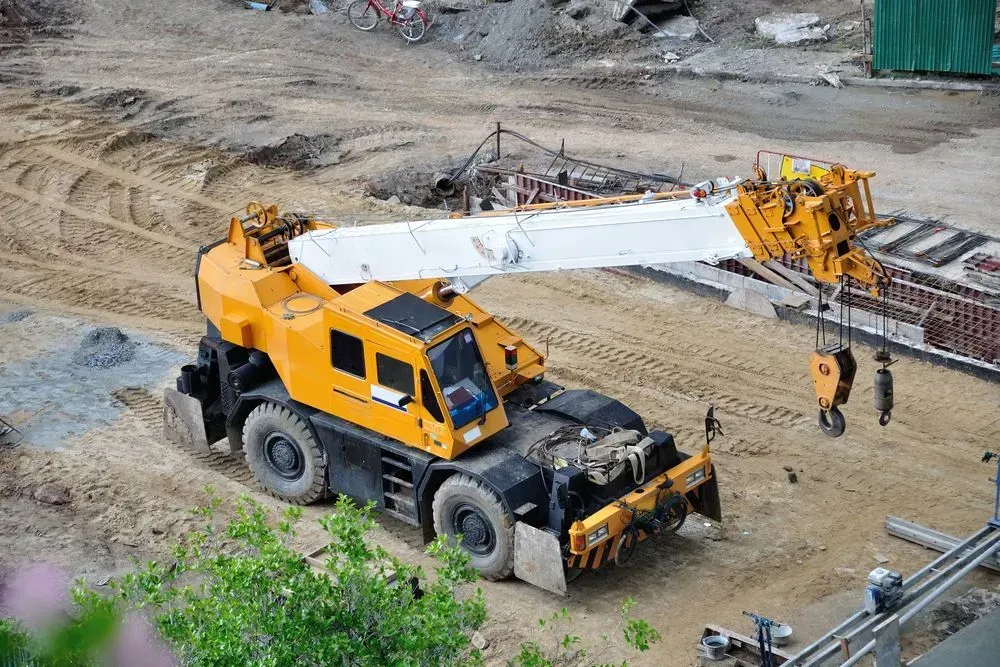
Precision Meets Power
State-Of-The-Art Excavation Technology
If you're looking for a non-destructive digging solution for your next project, look no further than Copp & Co Civil Plant Hire in the Whitsundays. We offer vacuum excavation services that are perfect for a variety of industrial, commercial and residential applications, including potholing, footings and trenching.
Our vacuum truck is equipped with a high-powered suction system that can quickly and easily excavate soil, sand, gravel and other materials. This method of excavation is much faster and cleaner than traditional methods such as shovelling or backhoe digging. It’s also a safe way to uncover most types of underground services.
If you need vacuum excavation or earthworks services, call Coops & Co Civil Plant Hire on 0429 776 277. We service the entire Whitsundays region, including Proserpine, Cannonvale, Airlie Beach and Bowen.
Highly Trained
Locally Owned
Properly Equipped
Great Value
Built on Proven Methods
How It Works
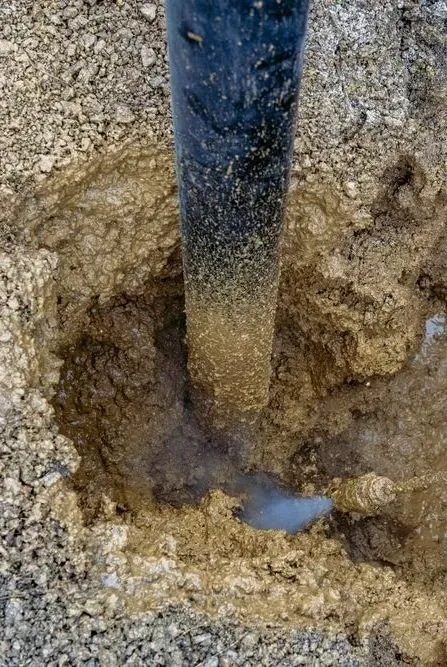
Our vacuum truck has a suction system which is incredibly powerful, but also very precise. The suction hose is connected to a large tank on the truck, and the materials are then sucked up and stored in this tank. This system is a great way to remove a range of different materials—it's also much faster and more efficient than traditional methods of excavation.
The state-of-the-art technology allows us to target the excavation area without causing any damage to the surrounding site. And what's more, our vacuum trucks can reach places that mechanical excavators simply cannot. To see what we can do for you, please don’t hesitate to get in touch.
find out more
Frequently Asked Questions
What is vacuum excavation used for?
Vacuum excavation is a non-destructive digging method that uses air or water pressure to loosen soil, then vacuums it into a storage tank. It’s commonly used to expose underground utilities without damaging them. This method is ideal for working around sensitive infrastructure like gas lines, water mains or fibre-optic cables. It’s also helpful for tight-access or high-traffic areas where traditional digging would be risky or disruptive. Beyond utility works, vacuum excavation is used in environmental clean-ups, tree protection zones and potholing. It’s valued for its precision, safety and minimal surface disruption.
What’s the difference between air and hydro vacuum excavation?
Air vacuum excavation uses compressed air to loosen soil before suctioning it up, while hydro excavation uses high-pressure water. Air is gentler on delicate utilities and allows spoil to be reused, making it ideal for sandy or dry soils. Hydro excavation is faster and more effective in clay or compacted ground but creates slurry, which may require disposal. The choice depends on site conditions, project goals and environmental considerations. In many cases, contractors use both methods as needed across different sections of a job site. Each has its advantages, and experienced operators know when to switch between them.
How does vacuum excavation improve jobsite safety?
Vacuum excavation significantly reduces the risk of striking live utilities like power cables or gas lines. Traditional digging with backhoes or shovels can easily damage hidden assets, which may cause injuries or delays. Vacuum excavation is far more precise and uses no metal edges, making it safer when working in built-up areas, near roads or around pedestrians. It also allows for better visibility during excavation, as the soil is removed cleanly from the target area. This method supports compliance with workplace health and safety regulations, and is increasingly used for council works and public infrastructure upgrades.
contact us
Send Us a Message
Contact Us
Thank you for contacting Copp & Co Civil Plant Hire.
We will get back to you as soon as possible.
Oops, there was an error sending your message.
Please try again later.


